

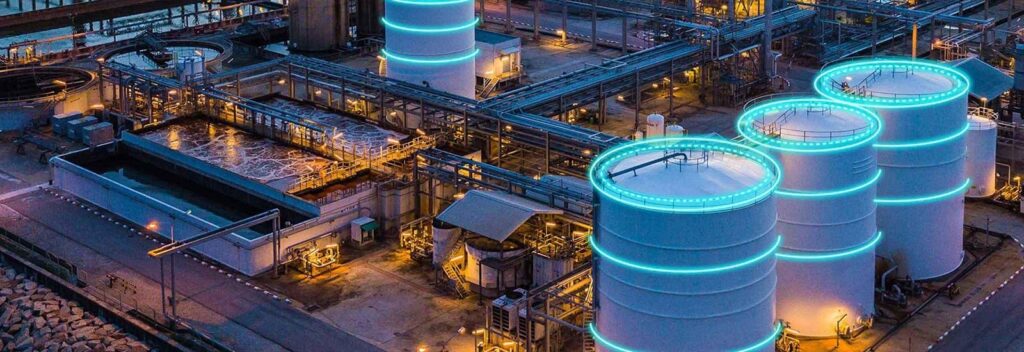
Industrial facilities present a unique set of challenges for passive fire protection (PFP). Large-scale operations, high fire loads and complex service layouts require robust, durable and fully compliant firestopping solutions.
Risk Profile
Manufacturing plants, processing facilities and warehouses often contain:
- Flammable chemicals and fuels
- Heavy-duty electrical systems
- Large-diameter mechanical penetrations
- High-pressure piping and process lines
These factors demand specialised firestop systems capable of withstanding harsh environments.
Common Firestop Applications
- Large-Diameter Pipes: Require oversized fire collars or wraps tested to AS 1530.4.
- Cable Ladders: Sealed using fire-rated boards or pillows to allow future modifications.
- Ventilation Ducts: Fitted with fire dampers or penetration seals tested for the specific duct size.
Environmental Durability
Industrial environments may expose firestopping systems to chemicals, moisture, vibration and extreme temperatures. Ceasefire PFP specifies products that have been tested for these conditions to ensure long-term performance and reliability.
Compliance Requirements
All systems must:
- Be tested to AS 1530.4
- Be installed in accordance with AS 4072.1
- Be fully documented (Passive Fire Register, photos, test report references)
This is critical not only for certification, but also for insurance and operational risk management.
Ceasefire PFP’s Approach
- Conduct site-specific risk assessments
- Select heavy-duty, industrial-grade firestop systems
- Coordinate with engineers to minimise penetrations
- Provide full compliance documentation and traceability
In summary: Industrial firestopping is not a generic task — it requires tested, durable and environment-specific solutions. Ceasefire PFP delivers high-performance fire protection systems that keep industrial operations safe, compliant and resilient.