

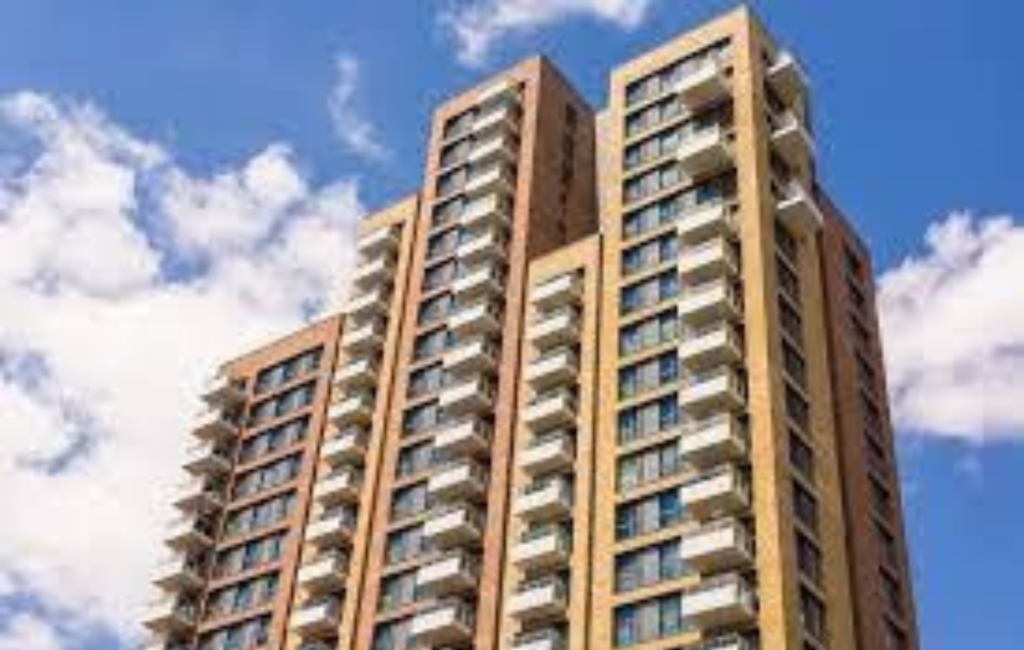
High-rise residential buildings present unique passive fire protection (PFP) challenges due to their height, high occupancy and complex service layouts. Effective PFP is essential not only for NCC compliance, but for ensuring resident safety.
Compartmentation – The First Line of Defence
In high-rise apartments, each dwelling is typically its own fire compartment. Fire-rated walls, floors and doors separate units from corridors, stairwells and neighbouring apartments. These barriers must maintain their Fire Resistance Level (FRL) even when penetrated by building services.
Common PFP Applications
- Service Risers – Multi-service bulkheads maintain separation between floors
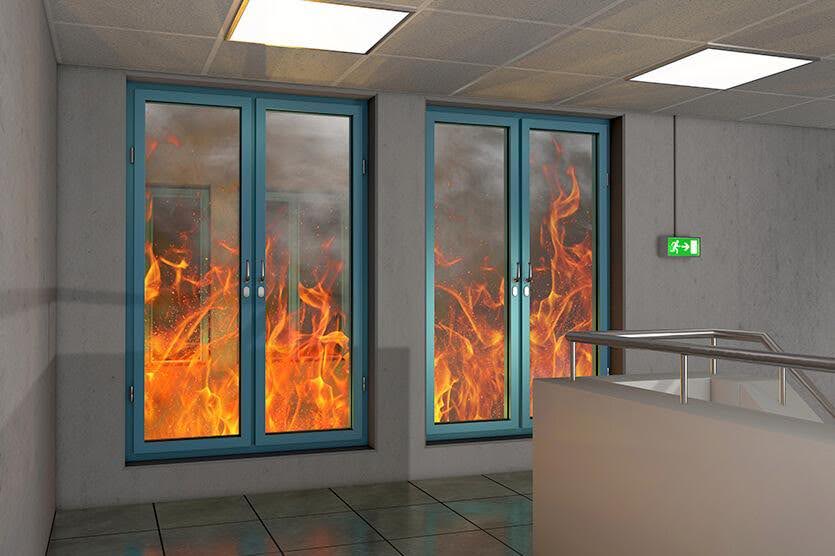
- Balcony Glazing – Fire-rated windows and frames prevent vertical fire spread
- Kitchen Exhaust Ducts – Require fire dampers at penetration points
- Plumbing Services – Sealed using AS 1530.4-tested collars and wraps
Key Standards – Key NCC and AS Requirements
The NCC sets minimum FRLs for walls, floors, and shafts in Class 2 (residential) buildings. AS 4072.1 governs installation of firestop systems, while AS 1530.4 verifies their performance. AS 1851 outlines ongoing inspection and maintenance.
Typical Challenges
- High density of services leading to numerous penetrations
- Retrofitting PFP in occupied buildings
- Coordinating PFP works within tight construction schedules
Ceasefire PFP’s Approach
- Provide design phase input to minimise required penetrations
- Use modular, re-enterable systems for future maintenance
- Maintain a detailed Passive Fire Register with photographic evidence
- Offer after-hours installation to minimise disruption
Common Issues Found On Site
- Unsealed riser penetrations
- General-purpose sealants used in fire-rated areas
- Missing or damaged fire door smoke seals
- Oversized openings packed with ad-hoc materials
In summary: Passive fire protection in high-rise residential buildings is not just a compliance requirement — it is fundamental to occupant safety. Ceasefire PFP delivers tested, documented and durable firestop solutions that protect residents and ensure successful certification the first time.