Home → Article
To learn more about passive fire protection, please see our articles which provide surrounding information about who we are and what we do.
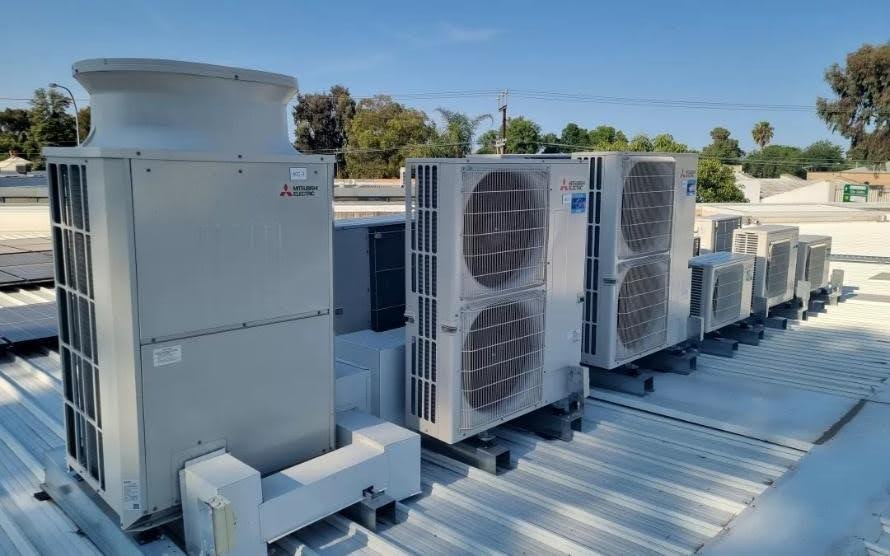
Fire dampers are a critical component of passive fire protection (PFP) in any building where HVAC ductwork passes through fire-rated
Intumescent materials play a critical role in many passive fire protection (PFP) systems. Unlike traditional building products, they react to
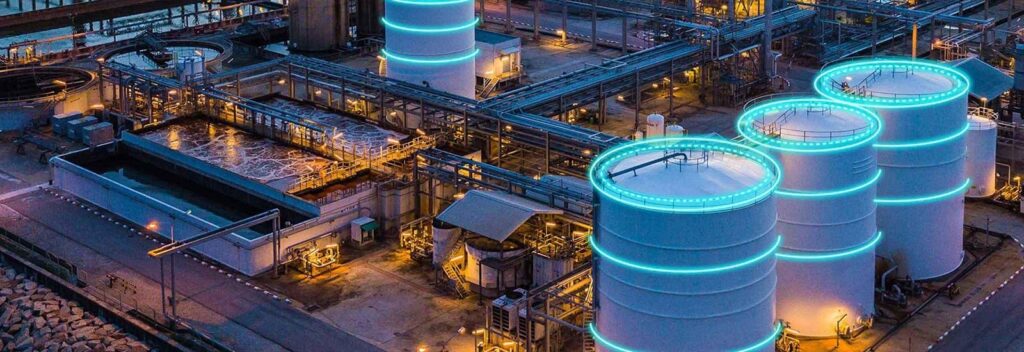
Industrial facilities present a unique set of challenges for passive fire protection (PFP). Large-scale operations, high fire loads and complex
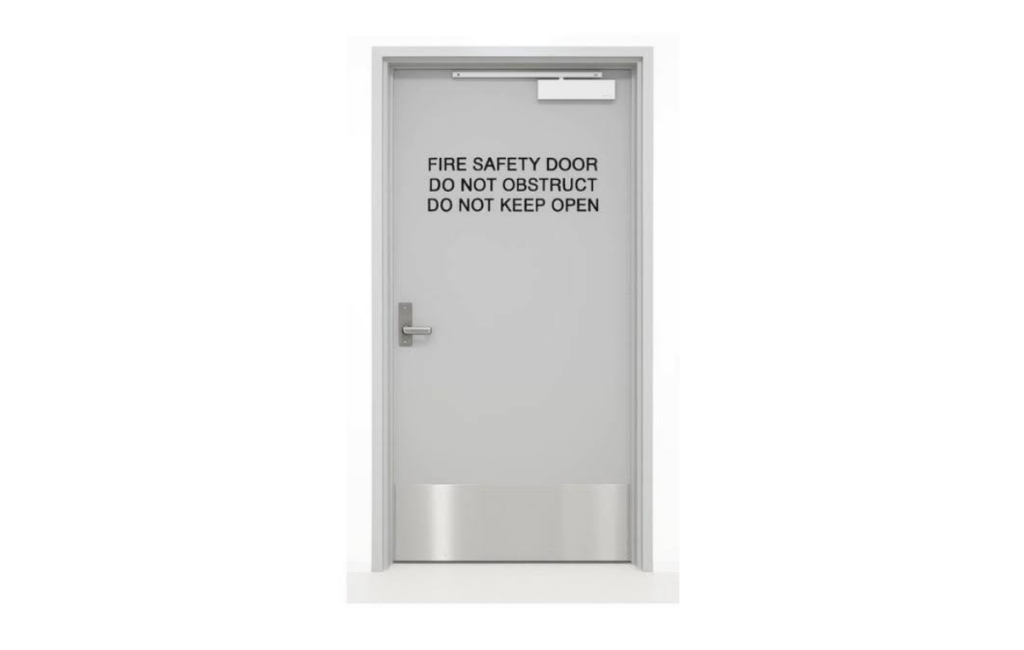
Fire doors are a fundamental part of any passive fire protection (PFP) strategy. When correctly specified, installed and maintained, they
Access panels are essential for reaching concealed plumbing, electrical and HVAC services. However, when installed in fire-rated walls or ceilings,
High-rise residential buildings present unique passive fire protection (PFP) challenges due to their height, high occupancy and complex service layouts.
Building Information Modelling (BIM) and digital twin technology are changing the way buildings are designed, built and managed. When passive
In passive fire protection (PFP), compliance is built on two core Australian Standards: AS 1530.4 and AS 4072.1. Although they
In passive fire protection (PFP), documentation is just as important as the installation itself. Even a correctly installed firestop system