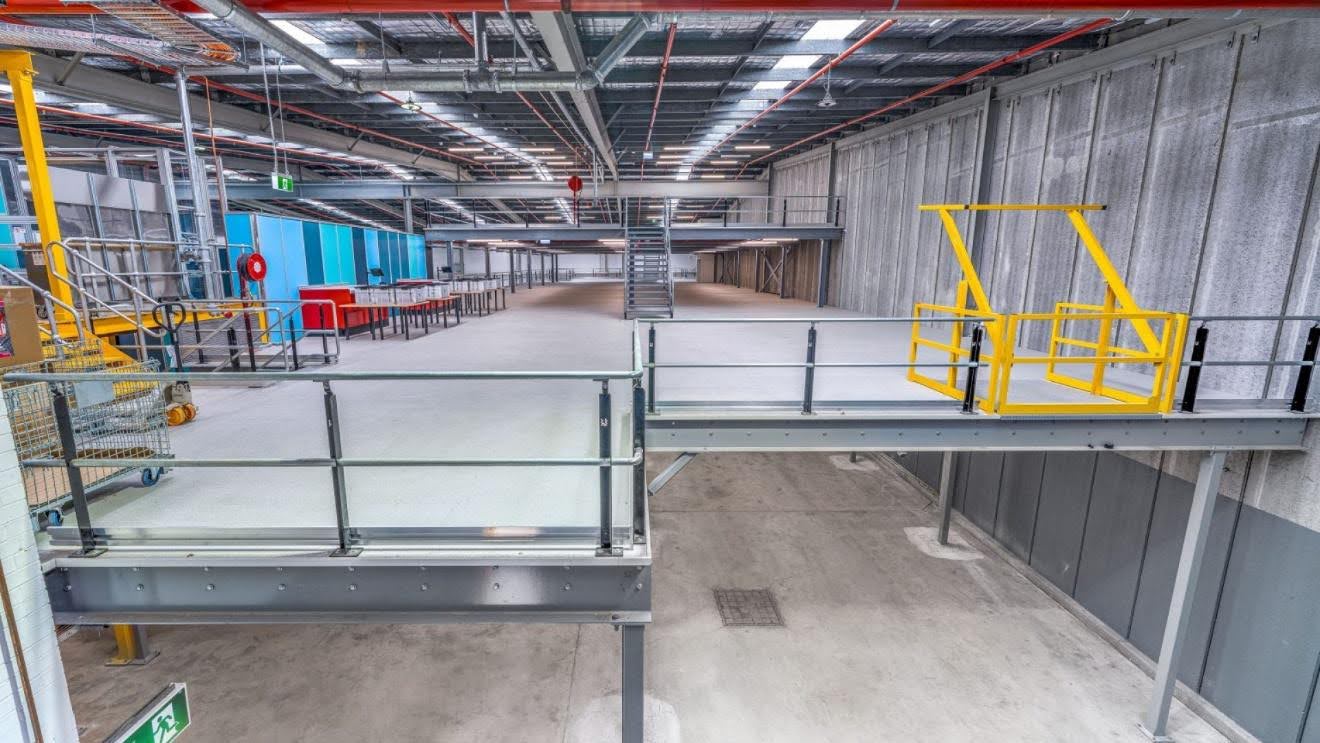
Warehouses are critical to supply chains and business operations, but from a fire safety perspective they present a unique set of challenges. Large, open spaces combined with significant fuel loads and combustible stored goods can
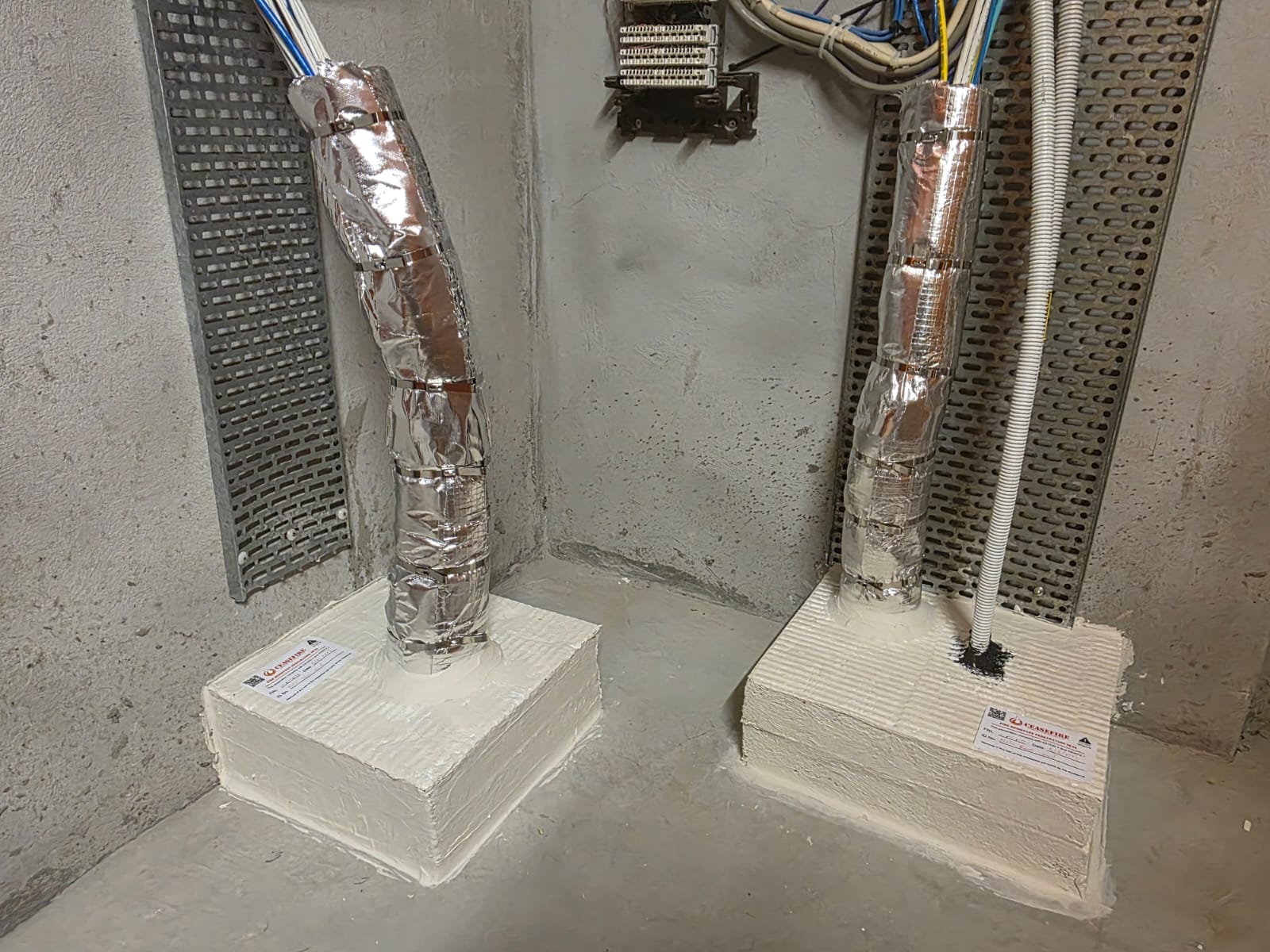
Service risers are an essential element in modern multi-storey construction, providing a dedicated vertical route for electrical, mechanical, plumbing and communication services. However, unless they are properly protected, these vertical shafts can become highly effective
Schools are among the most important public buildings in our communities. They house large numbers of children, staff, and visitors every day and must be designed to meet the highest safety standards. In the event
Fire-rated ductwork plays a vital role in modern passive fire protection (PFP) strategies. While most attention is often placed on fire-rated walls and floors, it’s important to remember that ductwork frequently passes through multiple fire
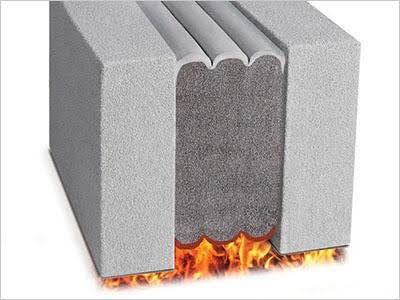
Fire-resistant joints are a critical component of passive fire protection (PFP) systems. Their function is to preserve the fire separation integrity of walls, floors and ceilings in locations where movement joints are required. These systems
Sustainability and passive fire protection (PFP) are sometimes viewed as competing priorities — but when considered early in the design process, they can complement each other. By selecting environmentally conscious firestop systems and planning penetrations
Hospitals operate around the clock and house some of the most vulnerable occupants. As a result, passive fire protection (PFP) systems in healthcare environments must meet stringent compliance standards while minimising operational disruption. Key Requirements
Data centres are high-value assets where even a short outage can cause serious financial and operational disruption. In these environments, passive fire protection (PFP) is not just a compliance requirement — it is essential to
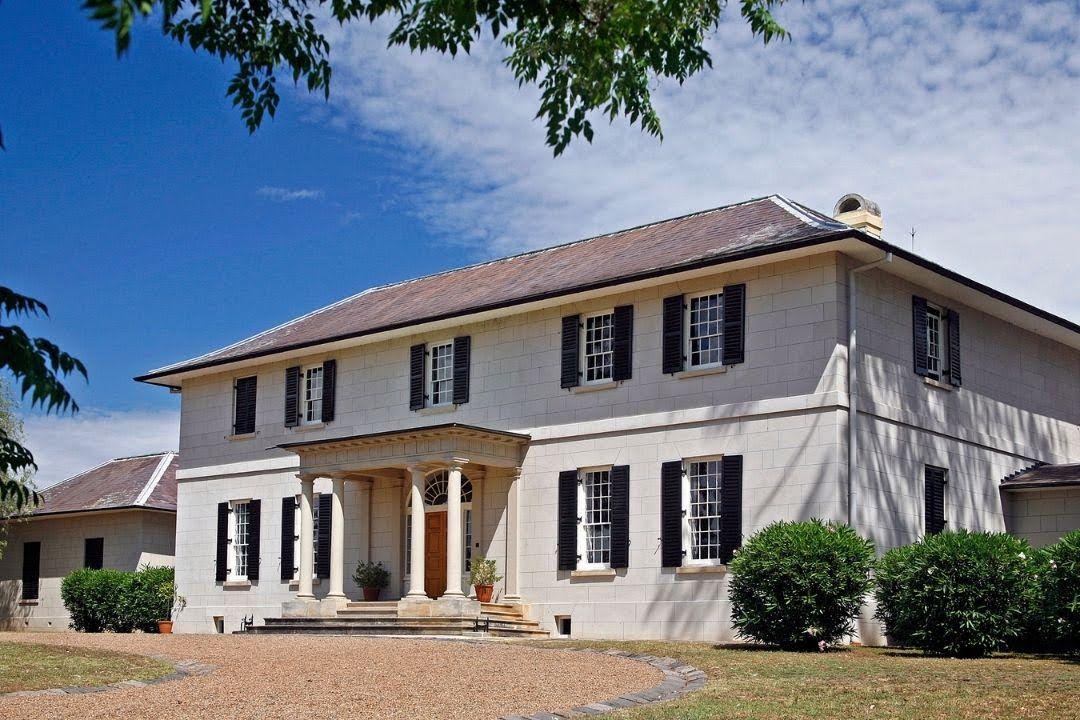
Heritage buildings often predate modern fire codes and contain combustible materials, hidden voids and structural irregularities. This makes passive fire protection (PFP) particularly challenging — especially when preservation of original features is a priority. Key
Mixed-use developments bring together residential, commercial, retail and hospitality spaces under one roof — and with that comes a complex set of passive fire protection (PFP) challenges. Among the most critical are penetration seals, which