

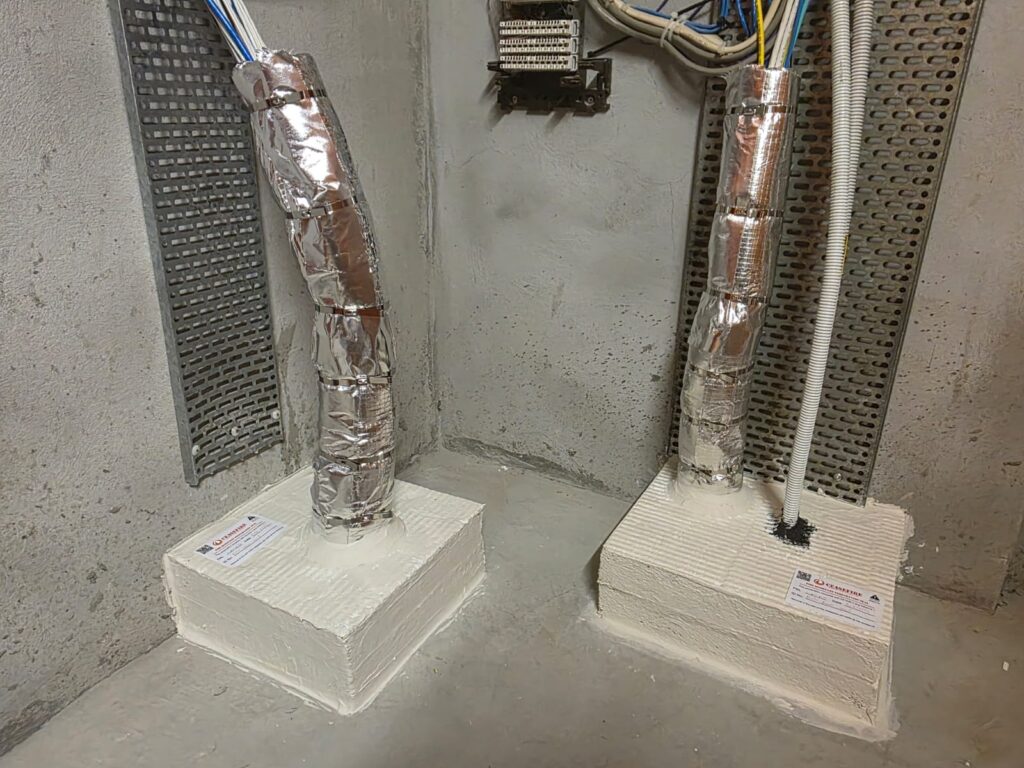
Mixed-use developments bring together residential, commercial, retail and hospitality spaces under one roof — and with that comes a complex set of passive fire protection (PFP) challenges. Among the most critical are penetration seals, which maintain the integrity of fire-rated barriers where services (cables, pipes, ducts) pass through walls and floors.
Why Penetration Seals Matter
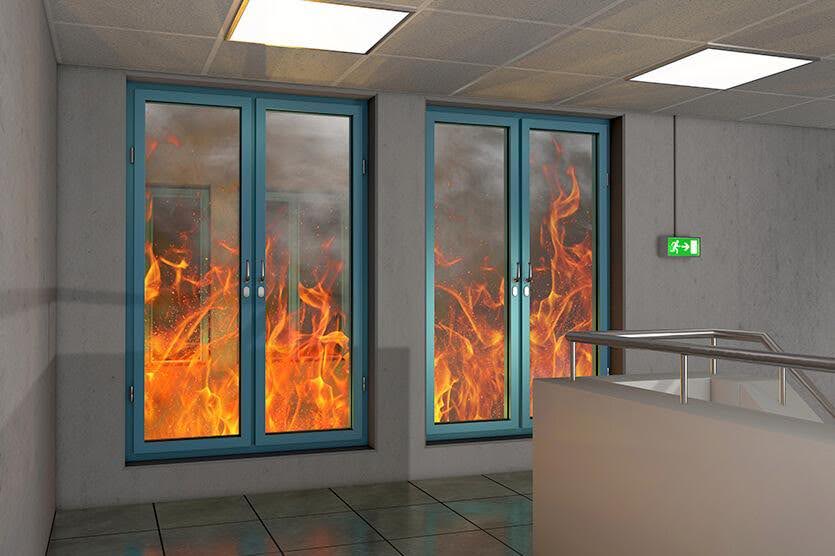
In a fire, unsealed or poorly sealed penetrations allow flames and smoke to travel between compartments — compromising the Fire Resistance Level (FRL) of the barrier. In mixed-use buildings this is particularly dangerous, as different occupancies sit side-by-side, each with different fire risks and occupant profiles.
Complexity in Compartmentation
Unlike single-use buildings, mixed-use facilities have varied fire load risks and compartmentation requirements. For example:
- Residential floors require separation from commercial spaces.
- Kitchens in hospitality areas have higher fire loads than offices.
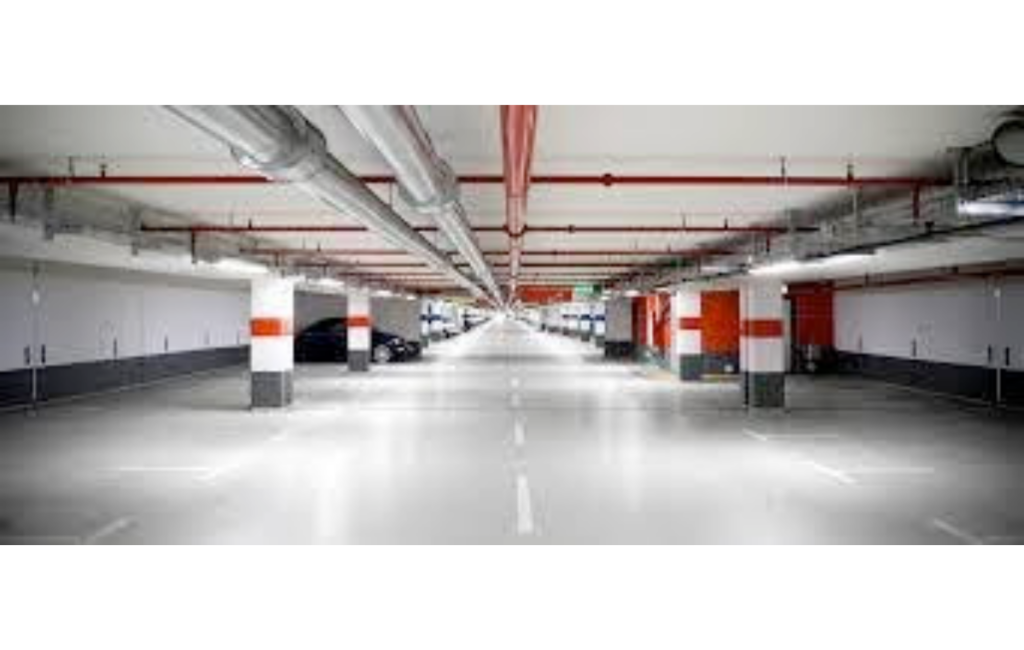
- Car parks need separation from occupied areas.
- This diversity means that the number, size, and type of service penetrations can vary widely throughout the building.
Common Challenges
- Service Congestion – multi-service risers create dense clusters of penetrations
- Change of Use – spaces repurposed over time require new or upgraded seals
- Retrofitting Constraints – PFP upgrades in occupied areas must minimise disruption
NCC and AS Requirements
To remain compliant:
- Fire-rated barriers must maintain their FRL after service penetrations
- Seals must be tested to AS 1530.4
- Installation must follow AS 4072.1, including:
- Correct substrate
- Service type and size
- Gap configuration and fixing method
Ceasefire PFP’s Approach
- Conduct detailed penetration surveys
- Select tested systems suitable for multi-service applications
- Use modular, re-enterable seals where future changes are likely
- Provide full photographic and written documentation for each seal
Common Defects and Remediation
- Unsealed annular gaps around pipes and cables.
- Use of untested sealants or materials.
- Over-sized openings filled with non-compliant materials.
- Incomplete seals where services were added later without updating the PFP
- Remediation involves removing non-compliant materials, preparing the substrate, and installing a tested system.
Conclusion
Penetration seals are the unsung heroes of passive fire protection in mixed-use developments. Ceasefire PFP’s expertise ensures that every seal is compliant, durable, and ready to perform when needed—protecting lives and property in these complex environments.