

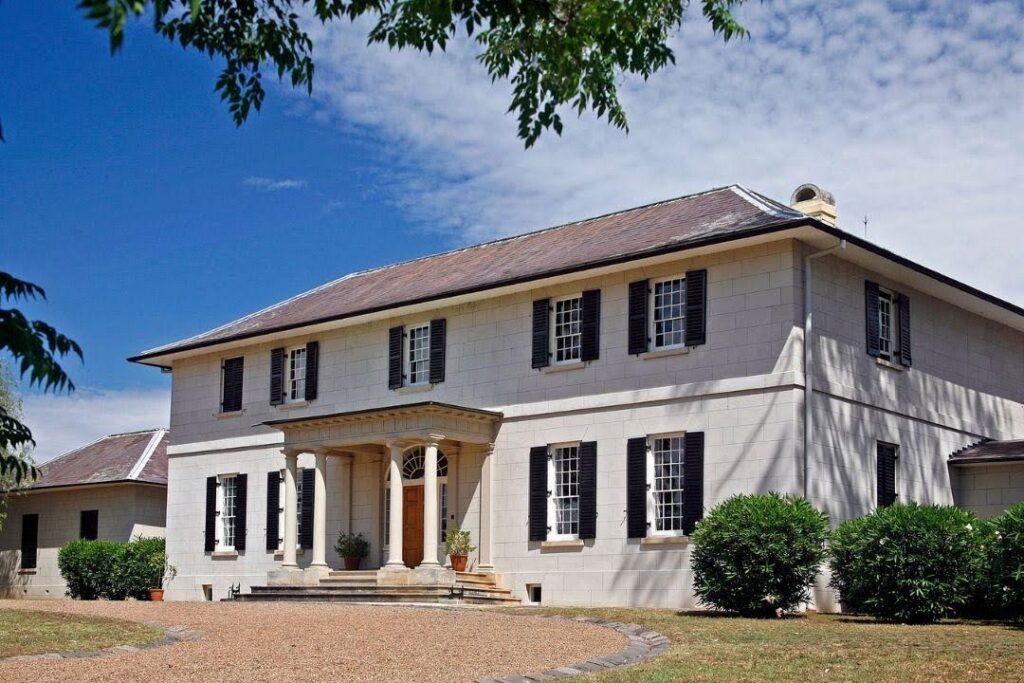
Heritage buildings often predate modern fire codes and contain combustible materials, hidden voids and structural irregularities. This makes passive fire protection (PFP) particularly challenging — especially when preservation of original features is a priority.
Key Risks in Heritage Structures
- Timber framing and floors that contribute to fire spread
- Lack of effective compartmentation
- Limited escape routes
- Concealed cavities and voids that can hide fire development
Challenges in Implementing PFP
1. Preservation Requirements: Any intervention must minimise changes to original materials and aesthetics.
2. Structural Fragility: Installing heavy or invasive fireproofing systems can damage heritage fabric.
3. Irregular Construction: Non-standard dimensions make fitting modern fire-rated components difficult.
Regulatory Context
Although heritage upgrades often rely on performance-based designs, all firestop systems must still comply with:
- AS 1530.4 (fire testing), and
- AS 4072.1 (installation requirements)
Solutions may need to be adapted to suit the character and construction of the building.
Ceasefire PFP’s Approach
Ceasefire works with heritage architects and certifiers to deliver compliant solutions that minimise visual and physical impact:
- Use reversible, non-invasive firestop systems
- Select finishes that blend with existing materials
- Develop maintenance plans that support both safety and conservation outcomes
Case Example:
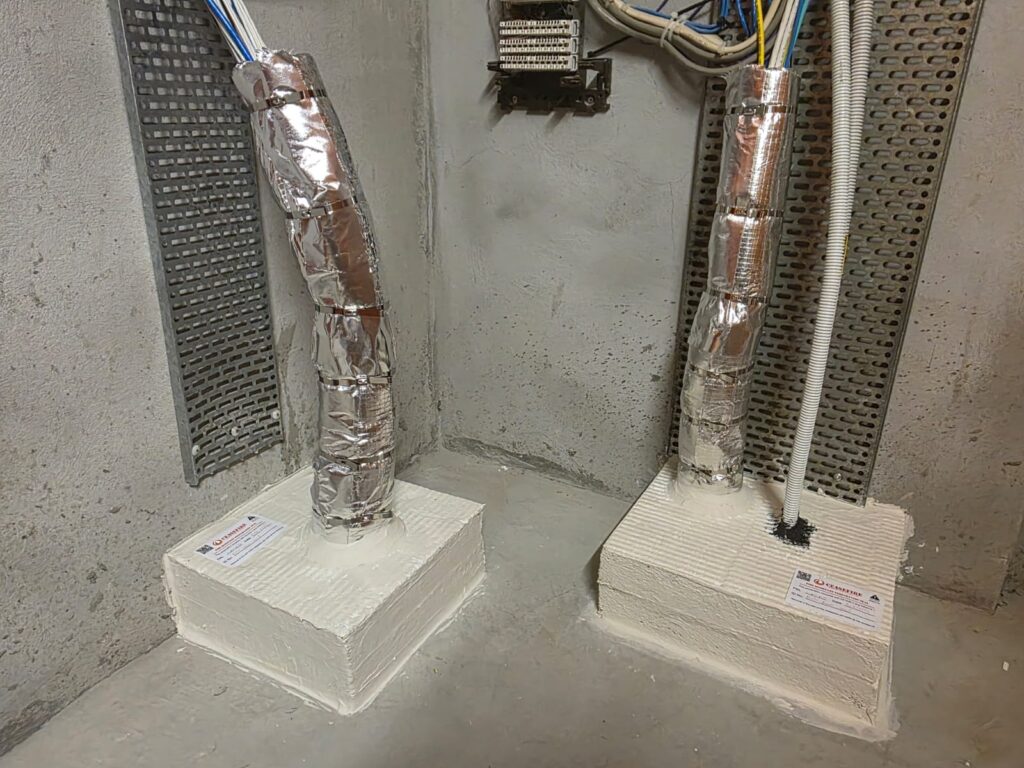
In a heritage-listed theatre, Ceasefire applied intumescent-coated timber panels to achieve the required FRL while maintaining the original appearance. Service penetrations were sealed with fire-rated wraps, concealed behind heritage mouldings.
In summary: Heritage buildings can be made safe without compromising their historical value. Ceasefire PFP delivers carefully tailored solutions that protect both occupants and architectural heritage.