

Intumescent materials play a critical role in many passive fire protection (PFP) systems. Unlike traditional building products, they react to heat, expanding rapidly to seal gaps and maintain the integrity of fire-rated barriers during a fire.
What Are Intumescent Materials?
The term intumescent comes from the Latin intumescere, meaning to swell. In PFP applications, it refers to materials—typically based on epoxy, acrylic or rubber binders—combined with chemical additives such as ammonium polyphosphate, hydrated fillers, and expandable graphite.
When heated (generally between 150°C and 250°C), these additives release gases that cause the material to foam and expand, forming a solid insulating char that can increase in volume by up to 20 times.
How They Work in Fire Situations
In penetration seals—such as around plastic pipes or cable bundles—intumescent materials serve a vital role. When the service melts, burns, or deforms, the intumescent material expands to close the gap, maintaining the barrier’s Fire Resistance Level (FRL) as required by AS 1530.4.
For example:
- Fire Collars: Contain intumescent strips that swell inward, crushing and sealing the softened pipe.
- Fire Wraps: Flexible layers of intumescent material wrapped around services inside walls or floors.
- Sealants: Intumescent mastic that swells in linear joints or around penetrations.
Applications Beyond PFP
Intumescent technology isn’t limited to firestopping. It is also used for:
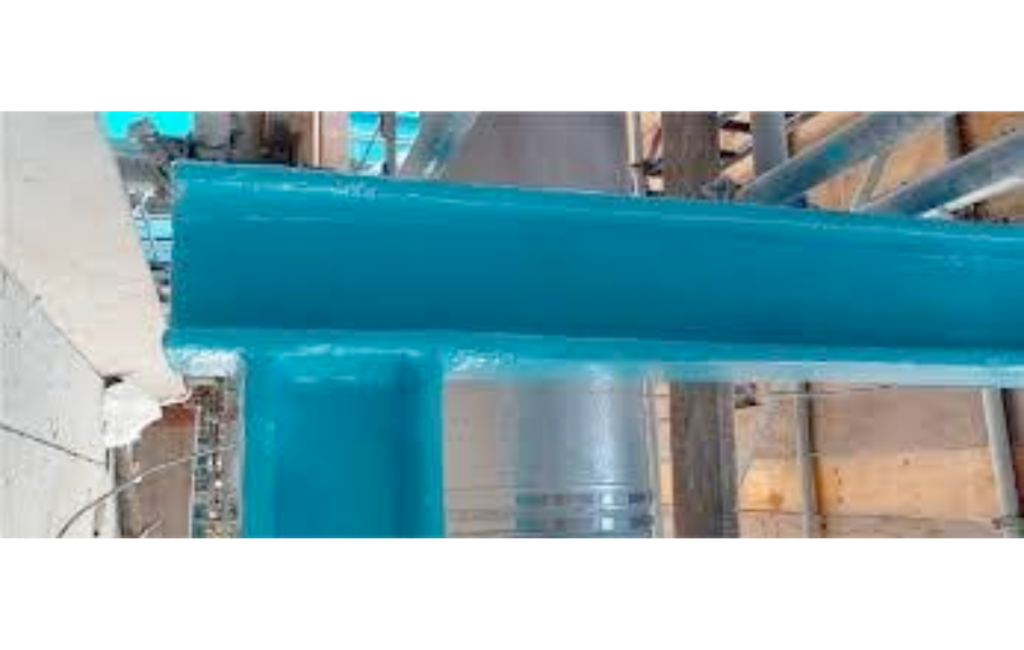
- Steel protection coatings (preventing heat transfer to structural members)
- Cable coating systems (limiting fire spread in cable trays)
- Fire-rated glazing systems (protecting vision panels)
Compliance and Testing
- AS 1530.4 – Fire testing of intumescent systems
- AS 4072.1 – Installation requirements (gap sizes, substrates, fixing methods)
Ceasefire PFP uses only products with valid test reports and ensures installation matches the test configuration exactly. Our compliance documentation includes product batch numbers, application photos, and test reference numbers.
Benefits of Intumescent Systems
- Self-activating – No manual intervention needed
- Lightweight – Adds minimal load to structures
- Versatile – Works across multiple substrates and services
- Low maintenance – Requires periodic inspection only
Key Considerations
- Sensitive to moisture and UV in some applications
- Requires accurate placement and thickness
- Must be tested for the specific service and barrier combination
Conclusion
The science of intumescent materials is a fine balance between chemistry, engineering, and compliance. By swelling to seal gaps in the heat of a fire, they provide one of the most effective and adaptable solutions in passive fire protection. With Ceasefire PFP’s expertise, these materials are applied to the highest standards, ensuring reliable protection when it matters most.