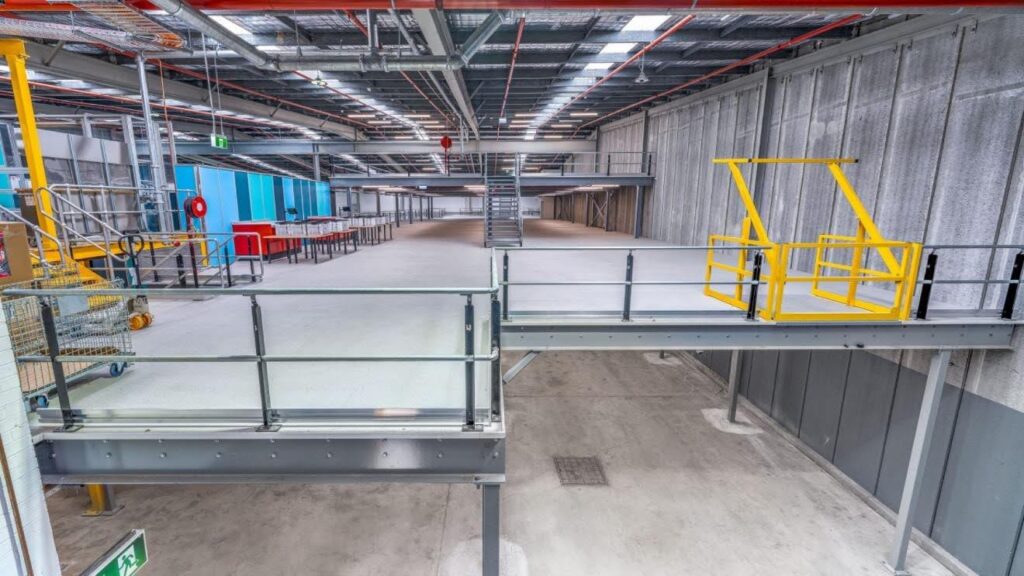


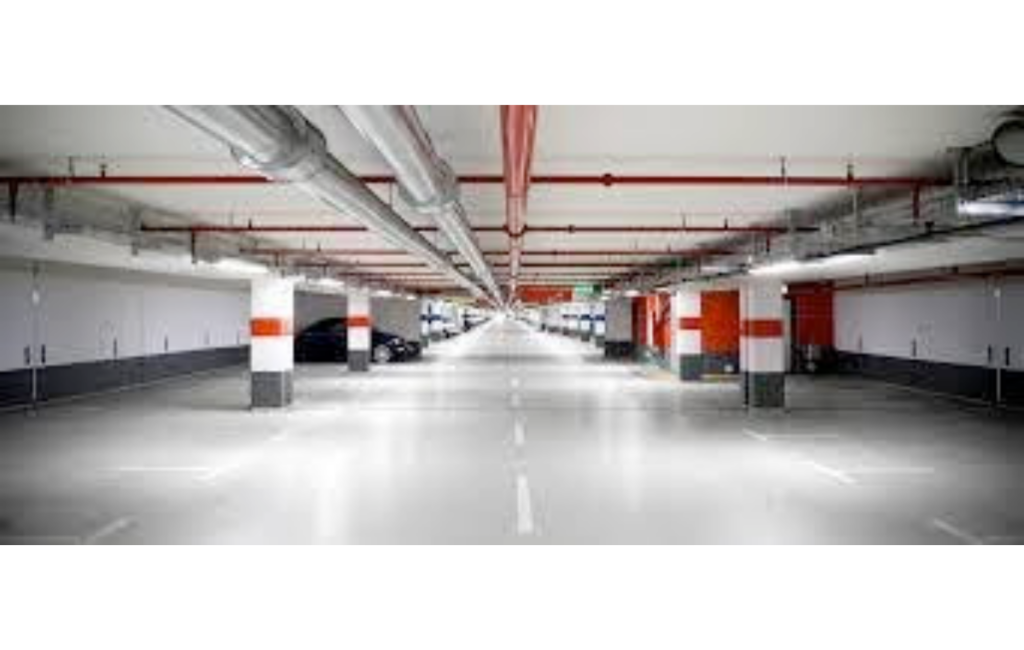
Car parks, whether underground, multi-storey, or open-deck, present unique fire safety challenges due to the presence of combustible materials, fuel sources, and limited ventilation in certain configurations. Passive fire protection (PFP) measures are essential to limit fire spread, protect structural elements, and provide safe evacuation routes.
Fire Risks in Car Parks
The primary hazards in car parks include:
- Vehicle Fires: Can originate from fuel leaks, electrical faults, or overheating engines.
- Combustible Storage: Items stored in vehicles can add to the fire load.
- Poor Ventilation: In enclosed or underground car parks, smoke and toxic gases can accumulate rapidly.
These risks are compounded in large facilities where detection and suppression systems may take time to activate.
Core PFP Strategies for Car Parks
- Compartmentation
- Separate parking areas from occupied spaces using fire-rated walls, floors and doors.
- Barriers must maintain the required Fire Resistance Level (FRL) in accordance with the NCC.
- Structural Fire Protection
- Columns, beams and slabs must be protected with sprays, boards or intumescent coatings.
- All systems must be tested to AS 1530.4 for performance.
- Firestopping Service Penetrations
- Penetrations in fire-rated barriers (e.g., electrical conduits, sprinkler pipes, ducts) must be sealed with tested systems in accordance with AS 4072.1.
- Fire-Rated Doors and Shutters
- Access points between car parks and occupied areas should be protected with self-closing fire doors fitted with compliant hardware.
Smoke Control Considerations
While smoke control is largely active, passive measures contribute significantly and should be incorporated:
- Smoke reservoirs and baffles to channel smoke to extraction points
- Fire-rated enclosures around stairwells and exit routes
Key Compliance Requirements (NCC)
Car parks in multi-storey or underground buildings typically require:
- Minimum FRLs for all separating elements
- Fire-isolated exits leading directly to a place of safety
- Protection of structural elements to maintain stability
- Fire-rated enclosures for services
All passive fire systems must be installed in their tested configuration and maintained under AS 1851.
How Ceasefire PFP Helps
- Site risk and compliance assessments
- Firestopping of penetrations
- Structural fire protection to columns and slabs
- Supply and installation of fire-rated doors / shutters
- Full documentation (photos, FRL data, batch numbers)
Common Deficiencies Found in Car Parks
- Missing or damaged fire door seals.
- Unsealed penetrations in fire-rated walls.
- Deteriorated fireproofing on structural elements.
- Inadequate separation between car park and occupied spaces.
Conclusion
Car park fire safety is often underestimated, but the consequences of inadequate passive protection can be severe. By implementing robust PFP measures, Ceasefire PFP ensures compliance, protects structural integrity, and safeguards lives in the event of a fire.