Heritage buildings often predate modern fire codes and contain combustible materials, hidden voids and structural irregularities. This makes passive fire protection (PFP) particularly challenging — especially when preservation of original features is a priority. Key
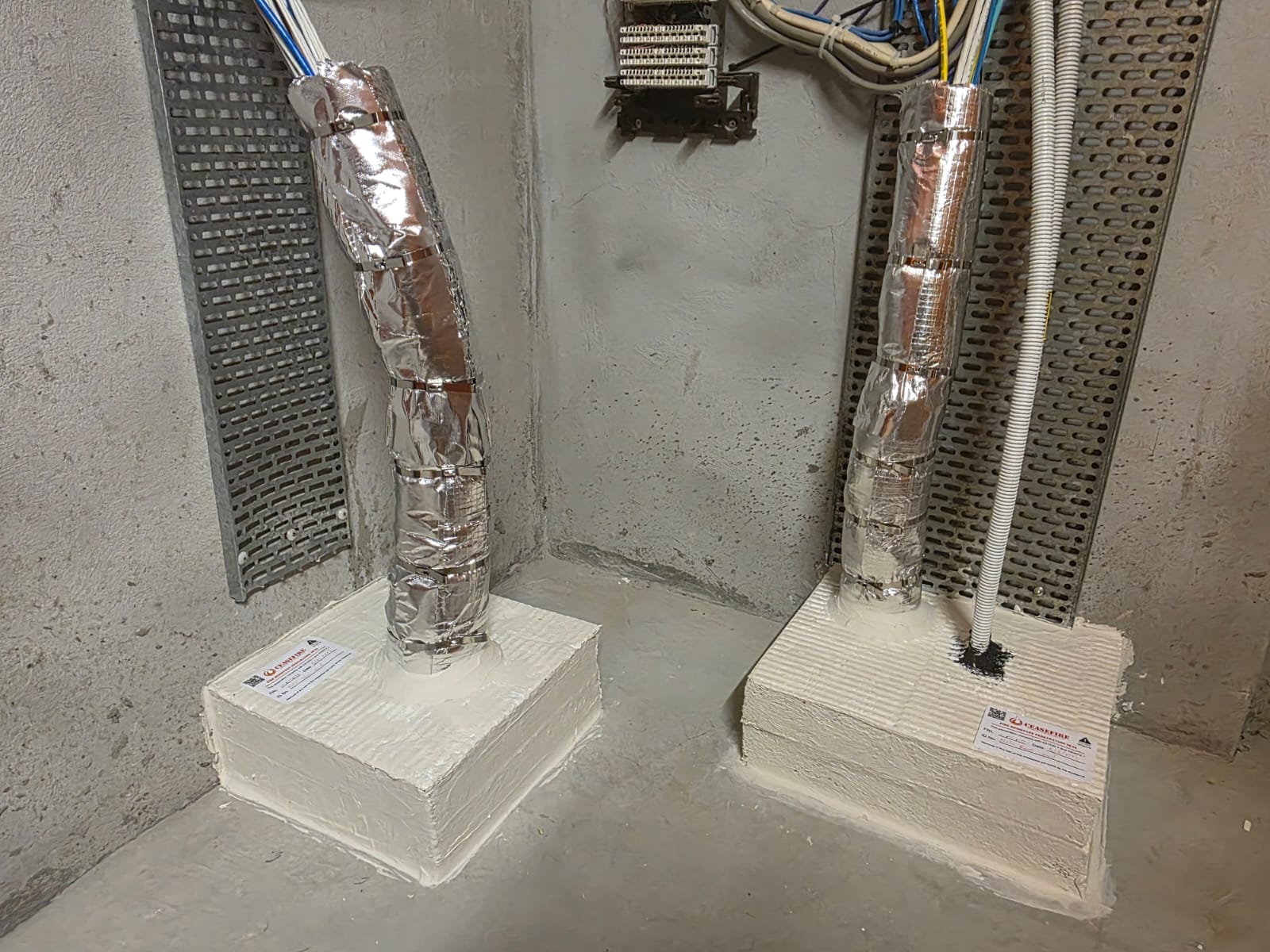
Mixed-use developments bring together residential, commercial, retail and hospitality spaces under one roof — and with that comes a complex set of passive fire protection (PFP) challenges. Among the most critical are penetration seals, which
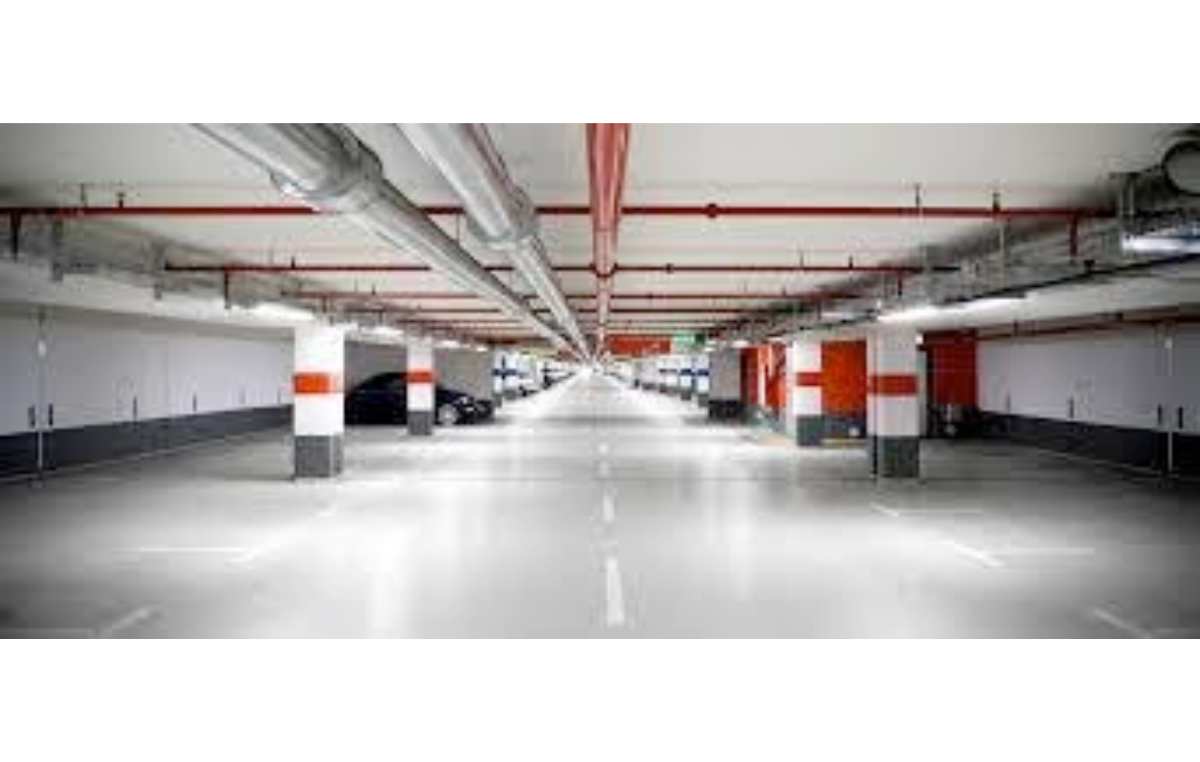
Car parks, whether underground, multi-storey, or open-deck, present unique fire safety challenges due to the presence of combustible materials, fuel sources, and limited ventilation in certain configurations. Passive fire protection (PFP) measures are essential to
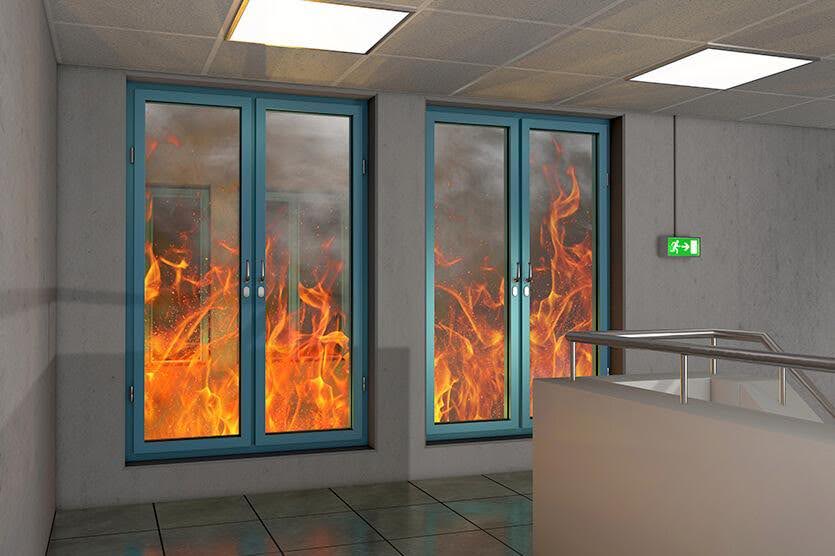
Fire-resistant glazing allows modern buildings to maintain light, openness and visibility without compromising fire compartmentation. Unlike standard glass—which fails rapidly under heat—fire-resistant glazing is engineered to maintain integrity (and, in some cases, insulation) for a
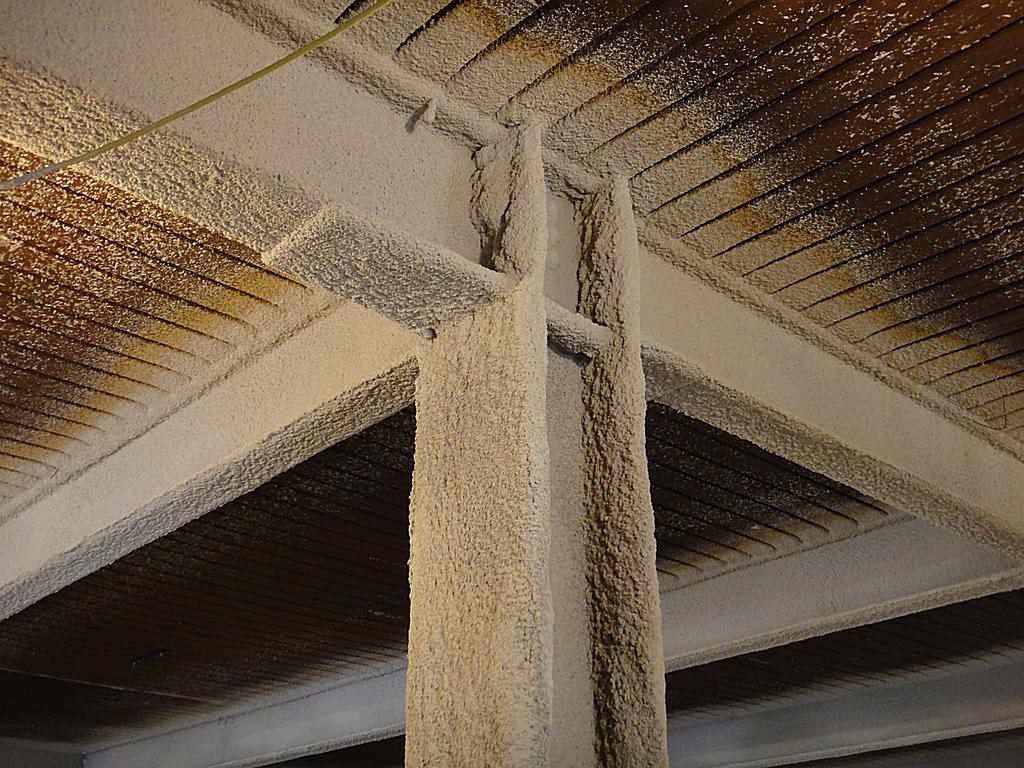
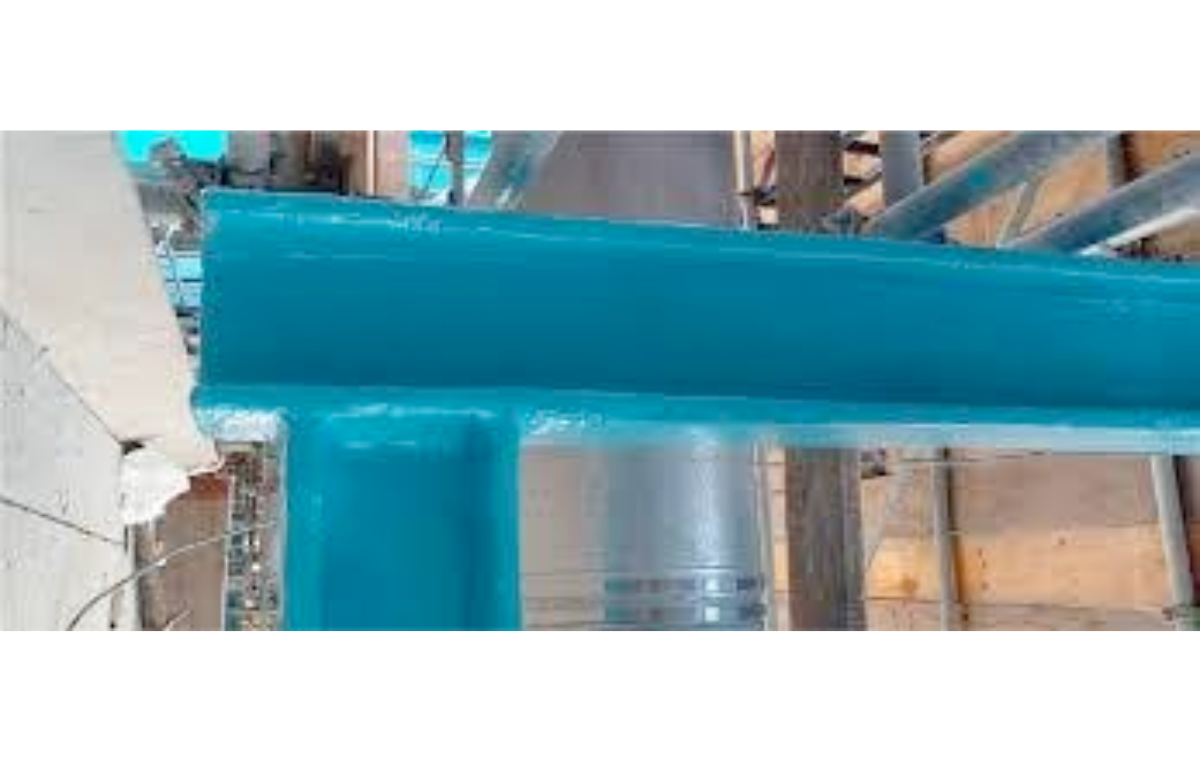
Structural steel provides strength, flexibility and durability — but it rapidly loses load-bearing capacity when exposed to high temperatures. At around 550 °C, steel has already lost approximately 40% of its original strength, which can
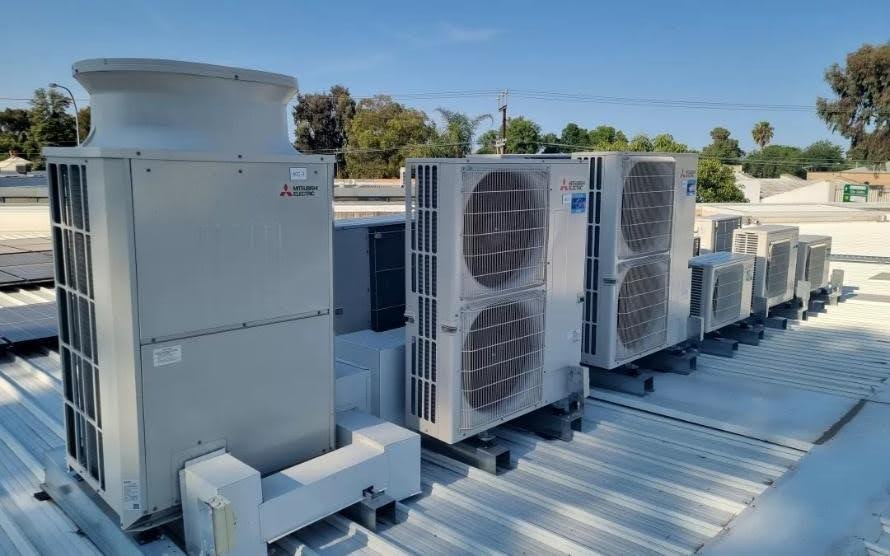
Fire dampers are a critical component of passive fire protection (PFP) in any building where HVAC ductwork passes through fire-rated walls or floors. Their purpose is simple and essential: prevent flames and smoke from using
Intumescent materials play a critical role in many passive fire protection (PFP) systems. Unlike traditional building products, they react to heat, expanding rapidly to seal gaps and maintain the integrity of fire-rated barriers during a
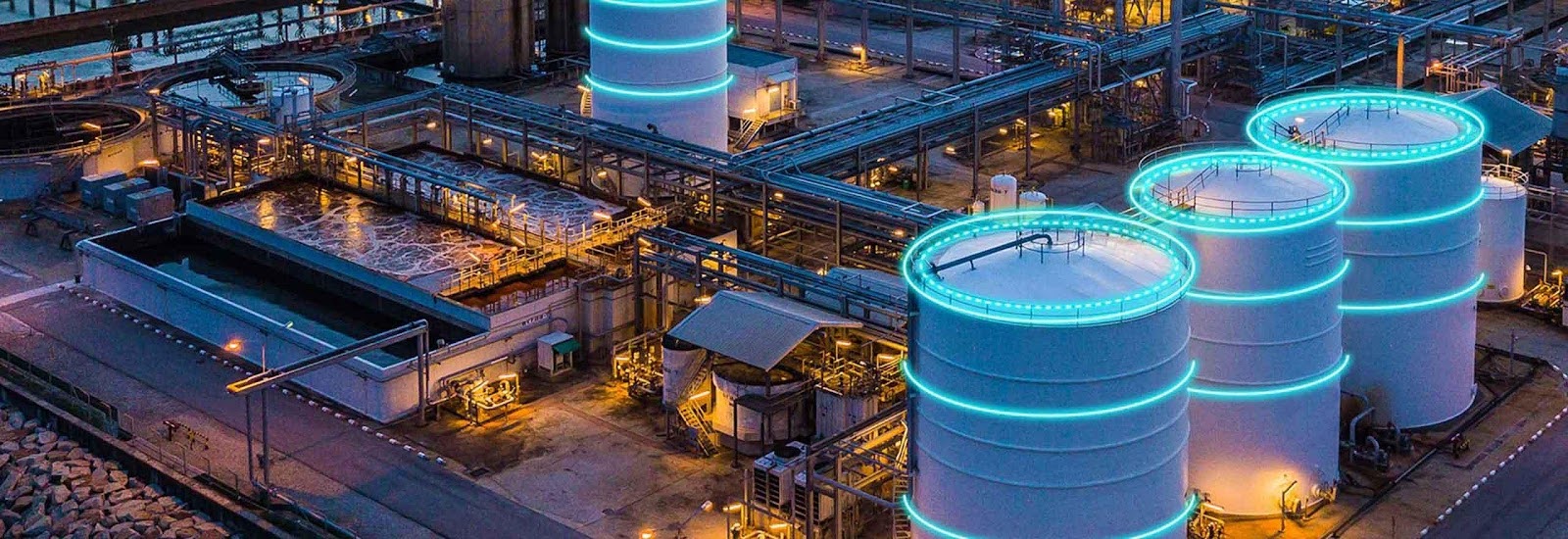
Industrial facilities present a unique set of challenges for passive fire protection (PFP). Large-scale operations, high fire loads and complex service layouts require robust, durable and fully compliant firestopping solutions. Risk Profile Manufacturing plants, processing
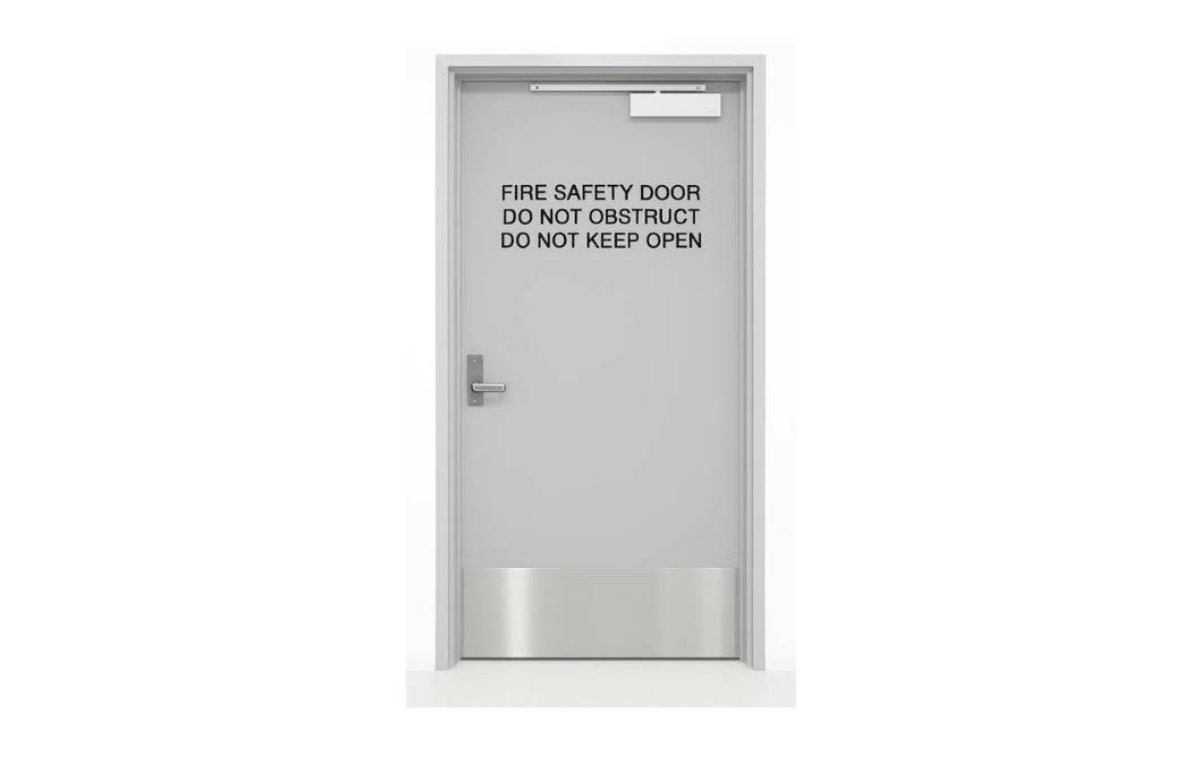
Fire doors are a fundamental part of any passive fire protection (PFP) strategy. When correctly specified, installed and maintained, they help prevent the spread of fire and smoke, while ensuring safe egress for occupants. What
Access panels are essential for reaching concealed plumbing, electrical and HVAC services. However, when installed in fire-rated walls or ceilings, they must be designed and installed so the Fire Resistance Level (FRL) of the barrier